

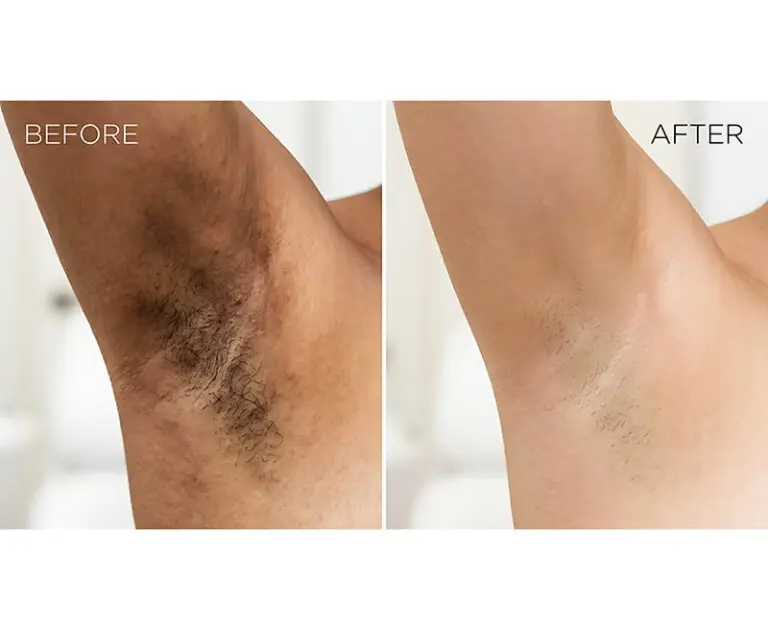
Have you ever looked in the mirror and noticed your underarms seem darker than the rest of your skin? If you have, be assured that this is incredibly common yet many people assume there’s nothing they can do about it.
The good news? Underarm pigmentation is often treatable, but the best treatment depends on why it happens in the first place.
Whether your darker underarms are caused by shaving, friction, irritation, or an underlying medical condition, understanding the cause is the first step toward brighter, healthier-looking skin.
Why Do Underarms Become Dark?
Dark underarms aren’t usually caused by poor hygiene. Instead, they’re often the result of repeated irritation or increased pigment production.
Here are some of the most common causes-
Friction
Your underarms experience constant movement throughout the day. Tight clothing, frequent rubbing, or skin-on-skin contact can create ongoing friction, which may trigger the skin to produce more pigment as a protective response.
This type of pigmentation often develops gradually over time.
Shaving
If you shave your underarms, you may notice they appear darker even immediately after shaving.
This can happen for two reasons:
- Hair is cut at the surface rather than removed from the root, leaving a shadow beneath the skin.
- Repeated shaving can create mild inflammation, which may stimulate pigment production over time.
If shaving is the primary cause, switching to laser hair removal can often make a noticeable difference.
Deodorants and Antiperspirants
Some deodorants and antiperspirants, particularly those containing alcohol or fragrances, can irritate sensitive underarm skin.
Repeated irritation may contribute to inflammation and discoloration, especially in people with more sensitive skin.
Dead Skin Build-Up
Just like your face, your underarms naturally accumulate dead skin cells.
Without regular exfoliation, these cells can build up and make the area appear dull, rough, or darker than the surrounding skin.
Hormonal or Medical Conditions
Sometimes darker underarms are more than a cosmetic concern.
A condition called acanthosis nigricans can cause the skin to become darker, thicker, and velvety in appearance. It’s often associated with insulin resistance and other metabolic conditions.
If your underarm pigmentation develops suddenly or is accompanied by thickened skin, it’s important to speak with your healthcare provider before pursuing cosmetic treatment.
How Can You Treat Dark Underarms?
The best treatment depends on what’s causing the pigmentation. During a consultation, we assess your skin to determine which approach is most likely to give you the best results.
Laser Hair Removal
If shaving is contributing to your pigmentation, laser hair removal is often one of the most effective long-term solutions.
By removing hair at the root, laser hair removal:
- Eliminates the dark hair shadow
- Reduces irritation caused by frequent shaving
- Helps prevent future pigmentation from developing
- Leaves skin smoother over time
Multiple treatments are typically needed for optimal results.
IPL (Intense Pulsed Light)
If excess pigment is the primary issue, IPL can target the melanin responsible for the discoloration.
IPL works by delivering pulses of light that break down pigment beneath the skin while also improving overall skin quality.
Benefits may include:
- Reduced pigmentation
- Improved skin texture
- Less redness from irritation
- Collagen stimulation for healthier-looking skin
Several sessions are usually recommended.
Chemical Peels
Chemical peels gently exfoliate the skin and encourage new skin cells to replace older pigmented ones.
They can help:
- Improve uneven pigmentation
- Smooth rough texture
- Reduce dead skin build-up
- Brighten the appearance of the underarms
Products That May Help at Home
Professional treatments often produce the fastest results, but a consistent skincare routine at home can also make a significant difference.
Hydroquinone
Hydroquinone is considered one of the most effective topical ingredients for treating hyperpigmentation. It works by slowing the production of melanin, helping prevent new pigment from forming while existing discoloration gradually fades.
Tretinoin
Tretinoin speeds up skin cell turnover, allowing pigmented cells to shed more quickly. It also improves the penetration of other brightening products, making them more effective.
Glycolic Acid
Glycolic acid gently exfoliates dead skin cells while improving overall skin texture and brightness. It can be especially helpful if dead skin build-up is contributing to darker underarms.
Physical or Chemical Exfoliation
Regular exfoliation helps prevent dead skin from accumulating and may reduce ingrown hairs, while keeping the skin looking smoother and brighter.
Tips for Using Brightening Products Safely
Because many brightening ingredients are active, it’s important not to overdo your routine.
For best results:
- Introduce one product at a time.
- Increase use gradually as your skin adjusts.
- Avoid using tretinoin, glycolic acid, and physical scrubs on the same night.
- Expect mild dryness or peeling during the first few weeks.
- Moisturize regularly.
- Wear sunscreen whenever the treated area may be exposed to sunlight.
What to Expect During Your Consultation
No two cases of underarm pigmentation are exactly alike. During your consultation at Orenda, we’ll assess your skin, discuss possible causes of your pigmentation, and recommend a personalized treatment plan based on your goals and skin type.
Whether that includes laser hair removal, IPL, chemical peels, skincare products, or a combination of treatments, our goal is to help you achieve healthier, more even-toned skin.
Contact us today to schedule your consultation or call (720) 519-0223 to learn more about how Orenda Medspa can help you achieve healthier, more radiant skin.